ASSEMBLY AND LASER WELDING OF PLASTIC COMPONENTS IN CONTRACT MANUFACTURING.
Our contract manufacturing
It does not always make economic sense to invest in a production system immediately, as small quantities, pilot or expiring projects can prevent such an investment. In this case, we offer contract manufacturing on our production systems. Our range of services includes application consulting, process development and process optimization, as well as contract manufacturing of prototypes, small and large series of the highest quality. Our employees have extensive experience with materials, tools, applications and layout. They therefore have the necessary know-how to manufacture new products quickly and reliably. With the latest technology and innovative approaches, we are your reliable partner in every phase of your project!
Our process includes the following steps
Pre-assembly
Your wishes and our experience form the basis for our comprehensive range of services We assemble your multi-part assemblies from individual parts according to your specifications.
- Testing of the individual parts if desired / required
- Assembly of multi-part assemblies from individual parts according to your specifications
- Installation of mechanical or electronic components
- Consideration of special requirements (ESD protection, cleanliness, etc.)
- Testing of the mounted assembly in alignment gauges provided before the welding process

Laser welding
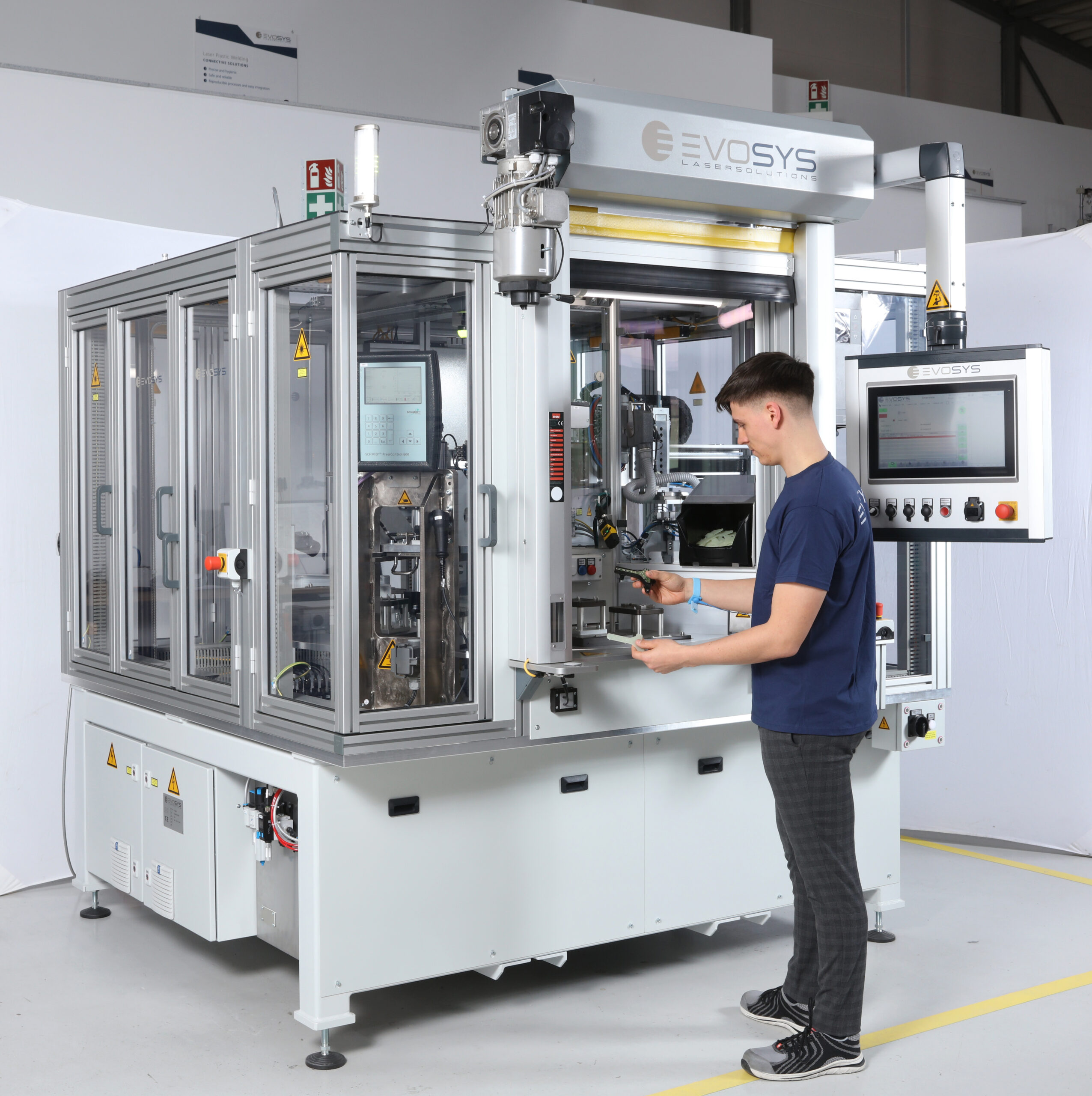
Laser plastic welding has already established itself as a particularly precise and hygienic process alongside other joining methods. Even during the welding process, it offers a variety of methods for monitoring and quality assurance. The commonly used variant of laser transmission welding combines an upper part that is transparent to the laser wavelength with an absorbent lower part. The laser beam is focused through the laser-transparent part onto the absorbent joining partner, causing it to melt on the surface. Heat conduction and the introduction of joining pressure on the component halves to be welded creates a material bond.

Testing and documentation
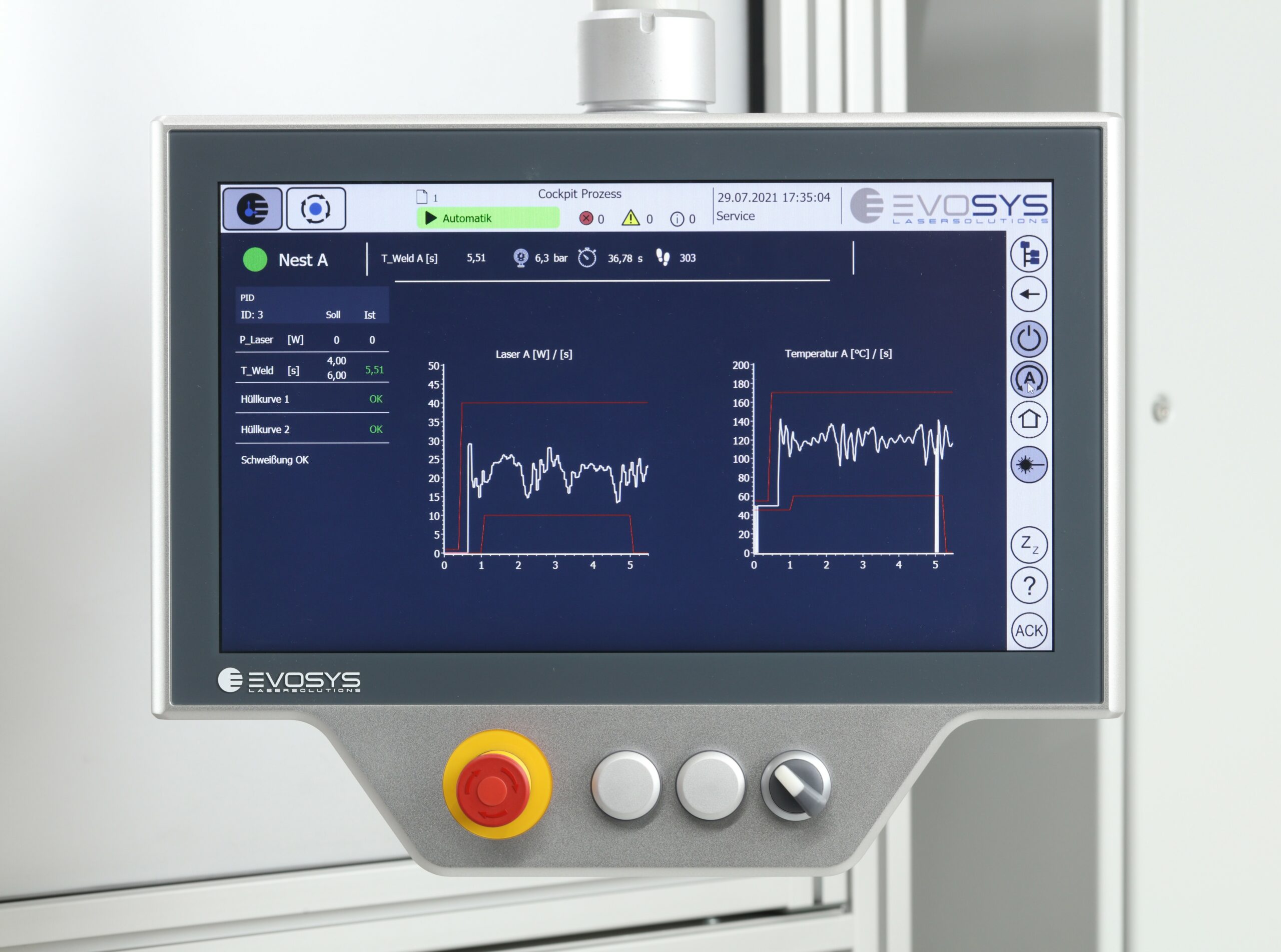
Quality characteristics are defined in consultation with you. Inspections are carried out before welding in order to detect defects at an early stage and avoid expensive rejects. Suitable parameters can be used for inline monitoring. Further quality checks are also important after welding. Leakage measurements help to detect leaks, which is particularly important for safety-critical parts. Burst pressure tests and strength measurements provide information about the stability of the welded joints. Optical seam assessments offer an additional testing option, but require high component quality.
Comprehensive documentation is crucial. We securely record and archive all relevant information to give you a transparent insight into our working methods.